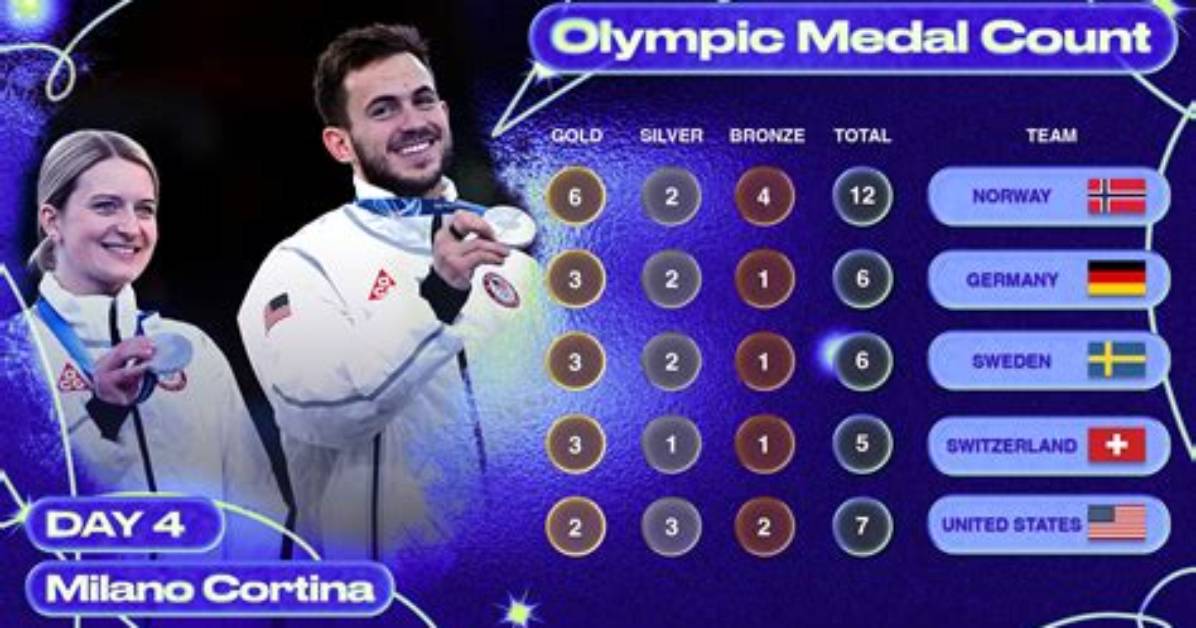
The Olympic Games represent the pinnacle of athletic achievement, bringing together the world's best competitors from various disciplines. As athletes strive for excellence, the Olympic medal count becomes a focal point for fans and nations alike, showcasing not just individual prowess but also national pride. The thrill of competition is palpable, and the pursuit of medals fuels a relentless drive for victory. Tracking the Olympic medal count provides insights into the cultural significance of sports and the dedication of athletes who train for years to reach this prestigious stage.
The Olympic medal count is more than just a tally; it symbolizes the culmination of hard work, sacrifice, and determination. Each medal earned tells a story of perseverance, teamwork, and the human spirit's ability to overcome obstacles. As nations vie for supremacy on this grand stage, the medal standings can shift dramatically, igniting passion and camaraderie among supporters. Fans eagerly track their country's performance, celebrating each victory and analyzing the competition, creating a vibrant atmosphere that transcends borders.
In this article, we will delve into the nuances of the Olympic medal count, exploring its historical context, the significance of the rankings, and the impact it has on athletes and nations. We will also look into notable athletes who have made their mark in Olympic history, detailing their achievements and contributions to the sport. Join us as we embark on this exciting journey through the world of Olympic sports and the medal count that captures the essence of athletic excellence.
What is the Olympic Medal Count?
The Olympic medal count refers to the total number of medals—gold, silver, and bronze—earned by participating nations during the Olympic Games. This count serves as a measure of a country's athletic success and is a source of national pride. Countries are often ranked based on their total number of medals, with gold medals typically given the highest value, followed by silver and bronze.
How is the Olympic Medal Count Calculated?
The Olympic medal count is calculated by tallying the total number of medals won by each country throughout the duration of the Games. The ranking is generally done as follows:
- Gold medals count as 1 point
- Silver medals count as 1 point
- Bronze medals count as 1 point
However, when two or more countries have the same number of gold medals, they are ranked according to their total silver and then bronze medals. This system emphasizes the importance of gold medals, reflecting the ultimate achievement in sports competition.
What is the Historical Context of the Olympic Medal Count?
The Olympic Games have a rich history dating back to ancient Greece, where athletic competitions were held in honor of the gods. The modern Olympic Games, revived in 1896 by Pierre de Coubertin, introduced the medal system we know today. Initially, only gold and silver medals were awarded, with bronze being added later. Over the years, the Olympic medal count has evolved, and its significance has grown, becoming a symbol of national strength and pride.
How Do Different Countries Compare in Olympic Medal Counts?
Countries around the world compete fiercely for medals at the Olympics, and the medal count often reflects their investments in sports and athlete development. Historically, the United States, China, and Russia have dominated the medal standings, but many other nations have also achieved great success. The rivalry between these countries adds excitement to the Games, as fans cheer for their athletes and countries.
What Are Some Notable Olympic Medal Count Records?
Over the years, several athletes and countries have set remarkable records in the Olympic medal count. Here are a few highlights:
- Michael Phelps (USA) holds the record for the most Olympic gold medals, with 23 to his name.
- The Soviet Union (USSR) has the highest total Olympic medal count in history, with over 1,000 medals earned during its participation.
- Usain Bolt (Jamaica) is regarded as the fastest man in history, winning a total of 8 gold medals in sprinting events.
What Factors Influence a Nation's Olympic Medal Count?
Several factors contribute to a nation's success in the Olympic medal count, including:
- Investment in sports programs and facilities
- Access to quality coaching and training
- Selection processes for athletes and funding
- Nationwide support and encouragement for athletes
Countries that prioritize sports and athletics often see better results in terms of medal counts, reflecting their commitment to fostering talent.

