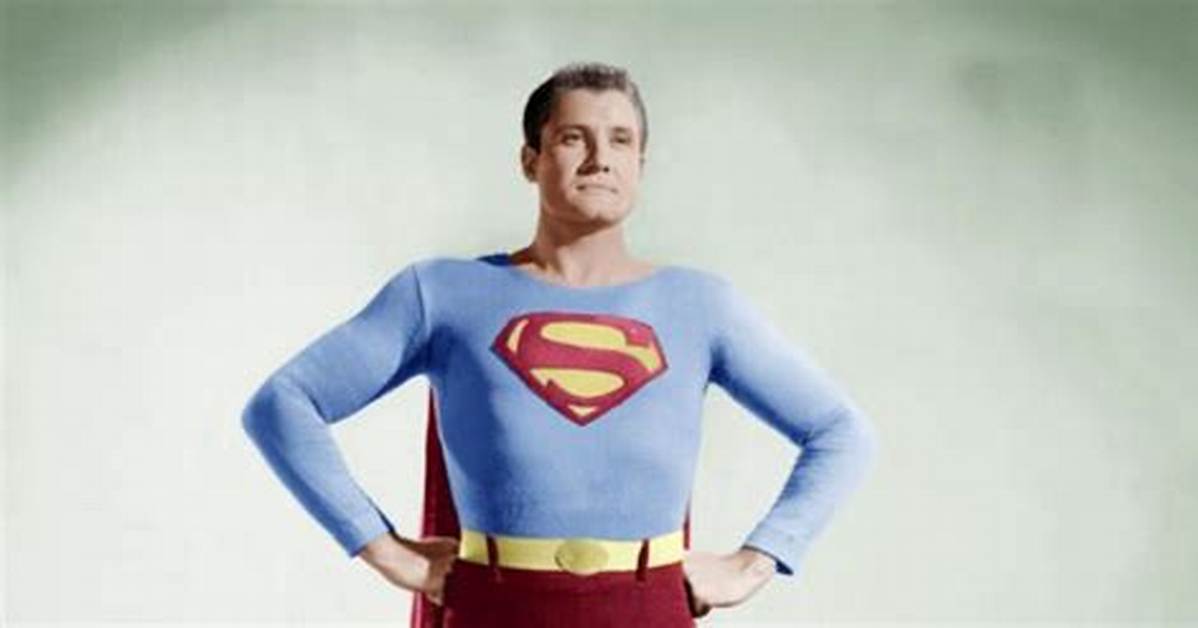
The character of Superman has always been a symbol of hope, strength, and resilience. However, it was Christopher Reeve, through his iconic portrayal, who truly brought the Man of Steel to life for generations of fans. The "Reeves Superman" not only captured the essence of Clark Kent but also became an emblem of heroism both on and off the screen. Reeve's remarkable ability to embody the duality of Superman and Clark Kent has left an indelible mark on the superhero genre. In the 1970s and 1980s, when audiences flocked to theaters to witness the magic of Superman, it was Reeve's charisma and depth that resonated with viewers, making them believe a man could fly. His performances set a standard for superhero portrayals and cemented Superman's place in popular culture.
Despite the triumphs of his career, Reeve faced unimaginable challenges later in life. His journey transformed him from a beloved actor into a powerful advocate for spinal cord injury research. The narrative of "Reeves Superman" extends beyond the silver screen; it encompasses a story of courage, perseverance, and the relentless pursuit of hope. This article will delve into Christopher Reeve's life, his contribution to the Superman legacy, and the impact he continues to have today.
As we explore the multifaceted life of Christopher Reeve, we'll address several key questions about his career, his personal struggles, and how his portrayal of Superman transcended the realm of film. Join us as we uncover the man behind the cape and discover what makes Reeves Superman an enduring icon in the hearts of many.
Who Was Christopher Reeve?
Christopher Reeve was born on September 25, 1952, in New York City. He was a talented actor, director, and producer, best known for his portrayal of Superman in the 1978 film and its sequels. Reeve's charm and physicality made him the perfect fit for the role, and he quickly became a household name. However, his life took a dramatic turn in 1995 when he sustained a life-altering injury that left him paralyzed from the neck down.
What Are the Personal Details and Biography of Christopher Reeve?
| Detail | Information |
|---|---|
| Birth Date | September 25, 1952 |
| Birth Place | New York City, New York, USA |
| Occupation | Actor, Director, Producer |
| Famous Role | Superman/Clark Kent |
| Death Date | October 10, 2004 |
How Did Christopher Reeve Become Superman?
Reeve's journey to becoming Superman began with his training and dedication to the role. Before landing the part, he had a successful career in theater and television. His audition for the role of Superman was memorable; he performed a monologue that showcased both his acting range and physicality. The filmmakers were captivated by his ability to embody the character's strength and vulnerability, leading to his casting as the iconic superhero.
What Impact Did the Reeves Superman Have on Popular Culture?
The "Reeves Superman" films not only redefined superhero cinema but also set a benchmark for future adaptations. The blend of humor, romance, and action in Superman (1978) created a template that many superhero movies would follow in the coming decades. Reeve's portrayal emphasized the humanity behind the superhuman, allowing audiences to connect with Clark Kent's struggles and triumphs.
- Groundbreaking Effects: The film utilized state-of-the-art special effects for its time, making the flying scenes truly magical.
- Iconic Catchphrases: Lines like "You’ll believe a man can fly" became part of cultural lexicon.
- Influence on Future Films: The success of Reeves Superman paved the way for more complex and nuanced superhero stories.
What Challenges Did Christopher Reeve Face After His Injury?
After his tragic accident, Reeve faced numerous physical and emotional challenges. Despite being confined to a wheelchair, he refused to let his circumstances define him. Instead, he became an advocate for spinal cord injury research, using his platform to raise awareness and funding for medical advancements. His work with the Christopher Reeve Foundation has had a lasting impact, inspiring many to push the boundaries of recovery and rehabilitation.
How Did Reeve's Advocacy Change Perceptions of Disability?
Reeve's advocacy work significantly changed public perceptions of disability. He became a symbol of hope for many, demonstrating that one's spirit and determination can prevail despite physical limitations. His life story and public speaking engagements highlighted the importance of research and funding in finding cures for debilitating conditions, encouraging a more inclusive society.

