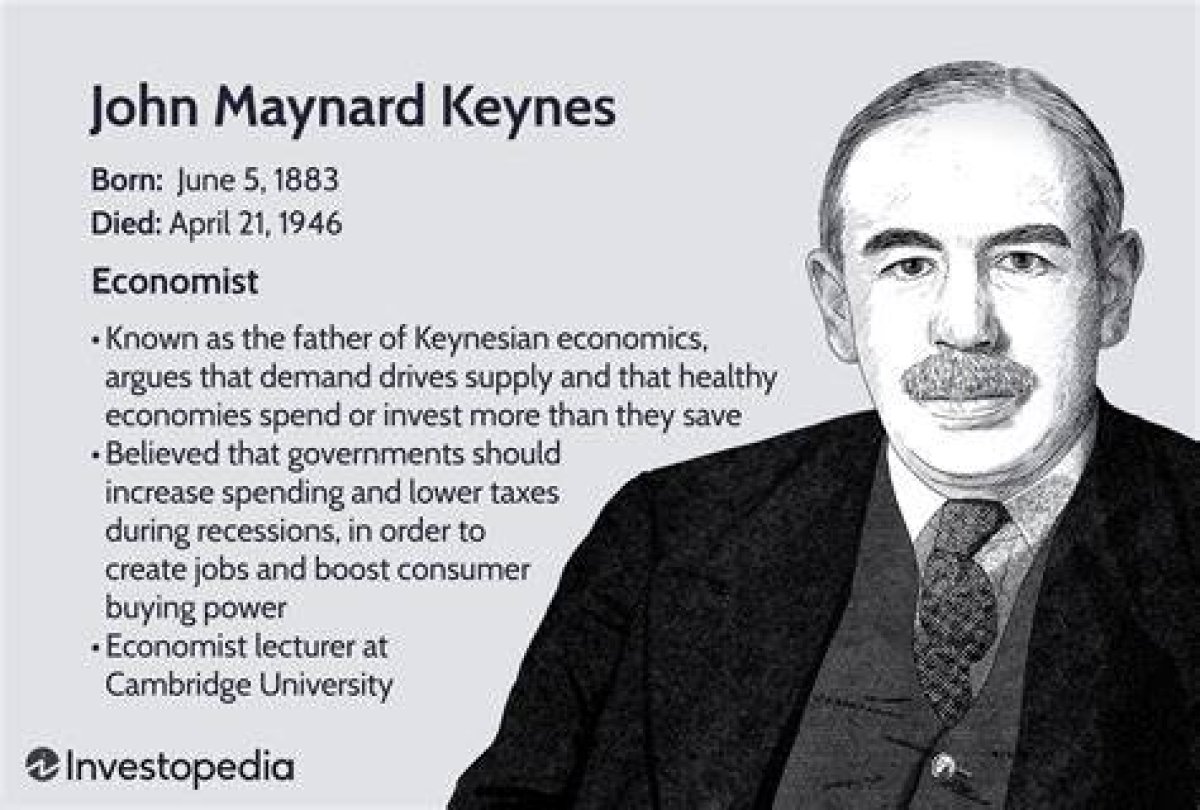
Skandar Keynes is a prominent figure in the realm of economics, known for his innovative theories and impactful contributions to economic thought. His work has influenced both academic circles and practical applications in economic policy. This article delves into Keynes's life, his fundamental ideas, and the lasting legacy he has left in the field of economics.
This comprehensive overview will explore various facets of Keynes's theories, including his approach to macroeconomics, the role of government in economic stability, and the critique of classical economics. By understanding Keynesian economics, readers will gain insights into how Keynes's ideas continue to shape economic policies and practices worldwide.
As we navigate through the intricate landscape of Keynes's economic theories, we will also highlight the relevance of his concepts in today's economic climate. With data-backed analysis and historical context, this article is designed to equip readers with a profound understanding of Skandar Keynes's contributions to economics.
Biography of Skandar Keynes
Skandar Keynes, born on June 5, 1883, in Cambridge, England, is best known for his revolutionary economic theories that reshaped economic policies in the 20th century. He was educated at Eton College and later at King’s College, Cambridge, where he studied mathematics and economics.
| Date of Birth | June 5, 1883 |
|---|---|
| Place of Birth | Cambridge, England |
| Education | Eton College, King’s College Cambridge |
| Notable Works | The General Theory of Employment, Interest, and Money |
| Date of Death | April 21, 1946 |
Early Life and Education
Keynes's early life was marked by a strong academic background and an interest in mathematics and economics. He was influenced by prominent economists of his time and developed a unique perspective on economic theory.
During his time at Cambridge, Keynes was exposed to the ideas of Alfred Marshall, a leading economist, which laid the groundwork for his future theories. His education emphasized critical thinking and the application of mathematical models to economic problems.

