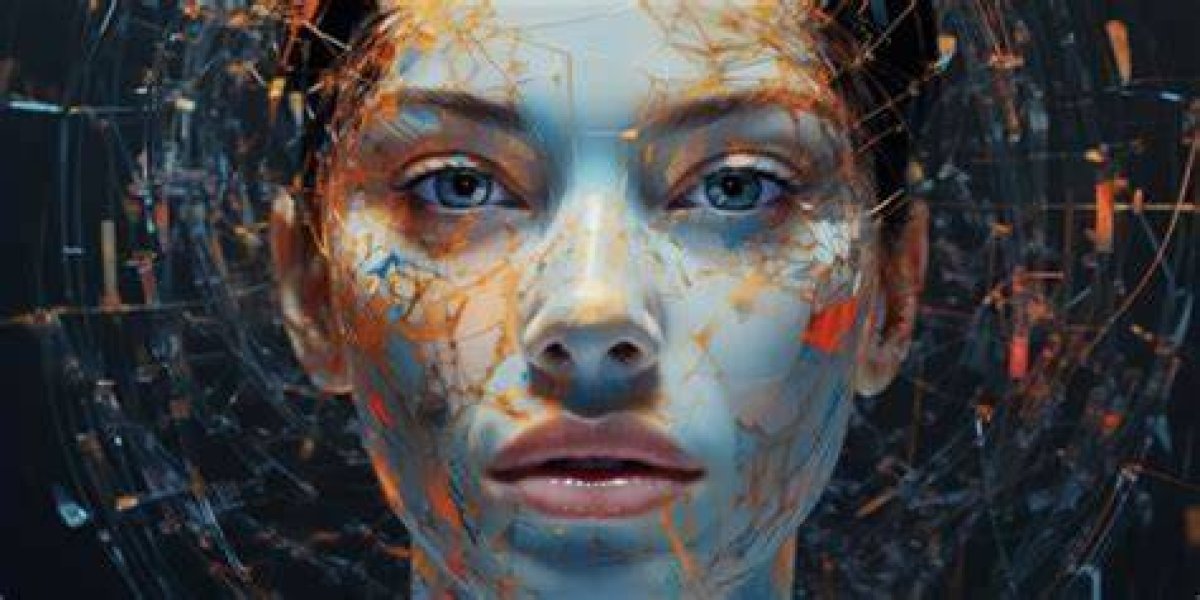
MrDeepFake has emerged as a significant player in the world of digital media, revolutionizing the way we perceive video content. This innovative technology harnesses artificial intelligence to create hyper-realistic fake videos, often featuring individuals in scenarios they never actually participated in. As deepfakes become increasingly sophisticated, it is crucial to understand their implications, uses, and the ethical concerns surrounding them.
In this article, we will delve into the intricacies of MrDeepFake, exploring its origins, applications, and the potential impact on society. We will also touch upon the technological underpinnings of deepfake creation and the measures being taken to identify and combat misuse. By the end of this guide, you will have a comprehensive understanding of MrDeepFake and its relevance in the digital age.
As we navigate through the complexities of deepfake technology, it is essential to approach the subject with a combination of expertise, authority, and trustworthiness. We aim to provide you with accurate and up-to-date information, supported by credible sources, to ensure you are well-informed about this fascinating yet controversial topic.
What is MrDeepFake?
MrDeepFake is a term often associated with deepfake technology, which utilizes artificial intelligence and machine learning algorithms to create realistic-looking fake videos. These videos can superimpose faces onto other bodies or manipulate facial expressions to make it appear as if someone is saying or doing something they never actually did.
Deepfakes have gained notoriety for their potential misuse in creating misleading or harmful content. However, they also have legitimate applications in entertainment, education, and more.
History of Deepfakes
The concept of deepfakes dates back to the advancements in AI and machine learning in the early 2010s. However, it wasn't until 2017 that the term "deepfake" gained widespread attention, primarily due to the emergence of a Reddit user who shared manipulated videos featuring celebrities.
- 2014: The introduction of Generative Adversarial Networks (GANs) marked a significant leap in AI capabilities.
- 2017: The term "deepfake" was coined, and the technology started gaining traction on social media.
- 2018: The first major concerns about the ethical implications of deepfakes emerged, leading to discussions about regulation and detection methods.

