History of the Duster Coat
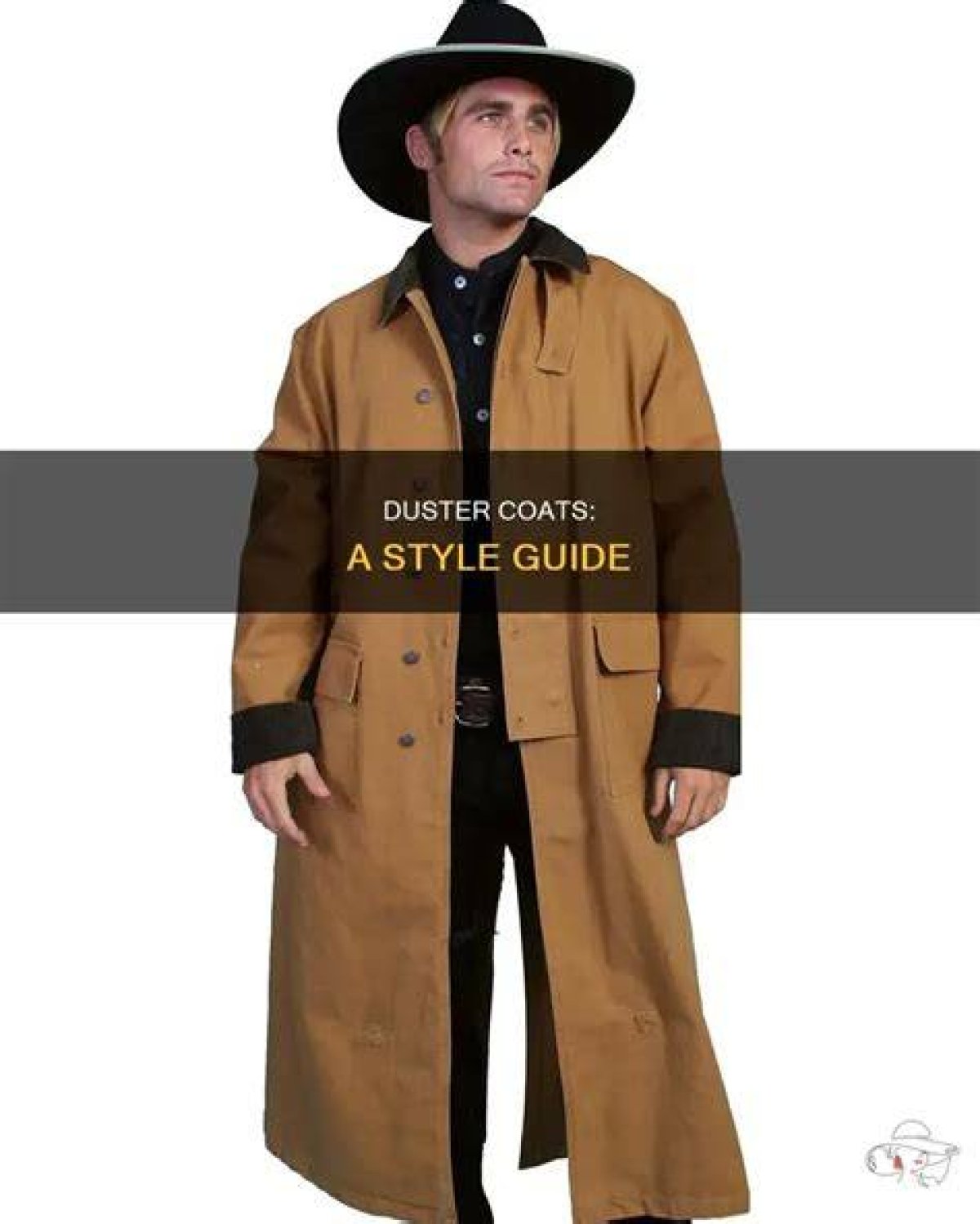
The duster coat's history is as long and flowing as the coat itself. Originally, it was designed in the late 19th century as a protective garment for horsemen. These early dusters were typically made of light-colored canvas or linen, designed to shield the rider's clothes from the dirt and dust kicked up by their horse. The coat's length, often reaching down to the ankles, ensured maximum coverage.
As automobiles began to replace horses as the primary mode of transportation in the early 20th century, the duster coat adapted to the new era. Motorists adopted the duster for its practical benefits, using it to protect against the dust and grime of open-road travel. The coat quickly became synonymous with adventure and the spirit of the open road.
Throughout the decades, the duster coat continued to evolve, adapting to changing fashion trends while maintaining its core characteristics. In the mid-20th century, it gained popularity in Western films, where it was worn by iconic characters, further cementing its place in popular culture. This period solidified the duster coat's association with ruggedness and independence.
Today, the duster coat has shed its purely practical origins to become a versatile fashion staple. Designers have reimagined it in various fabrics, colors, and styles, making it suitable for a range of occasions—from casual outings to formal events. This evolution reflects the coat's ability to adapt and remain relevant in the ever-changing world of fashion.
Evolution of the Duster Coat Style
As fashion trends have evolved, so too has the style of the duster coat. In its early days, the duster was a simple, utilitarian garment with minimal embellishments. However, as it transitioned into a fashion item, designers began experimenting with different cuts, materials, and designs.
The 1960s and 1970s saw a resurgence of interest in the duster coat, as the fashion industry embraced vintage styles. During this era, dusters were often crafted from luxurious materials like silk and velvet, adding a touch of elegance to their utilitarian roots. This period marked the beginning of the duster coat's transformation from a purely functional item to a fashionable statement piece.
In the 1980s and 1990s, the duster coat underwent another transformation, as designers began incorporating bold colors and patterns. This shift reflected the fashion world's embrace of individuality and self-expression. Dusters became a canvas for creative experimentation, with designers incorporating unique elements like oversized buttons, asymmetrical cuts, and intricate embroidery.
Today, the duster coat continues to evolve, with contemporary designers offering a wide range of styles to suit every taste and occasion. From sleek, minimalist designs to bold, statement-making pieces, the modern duster coat is a testament to the garment's enduring appeal and versatility.

