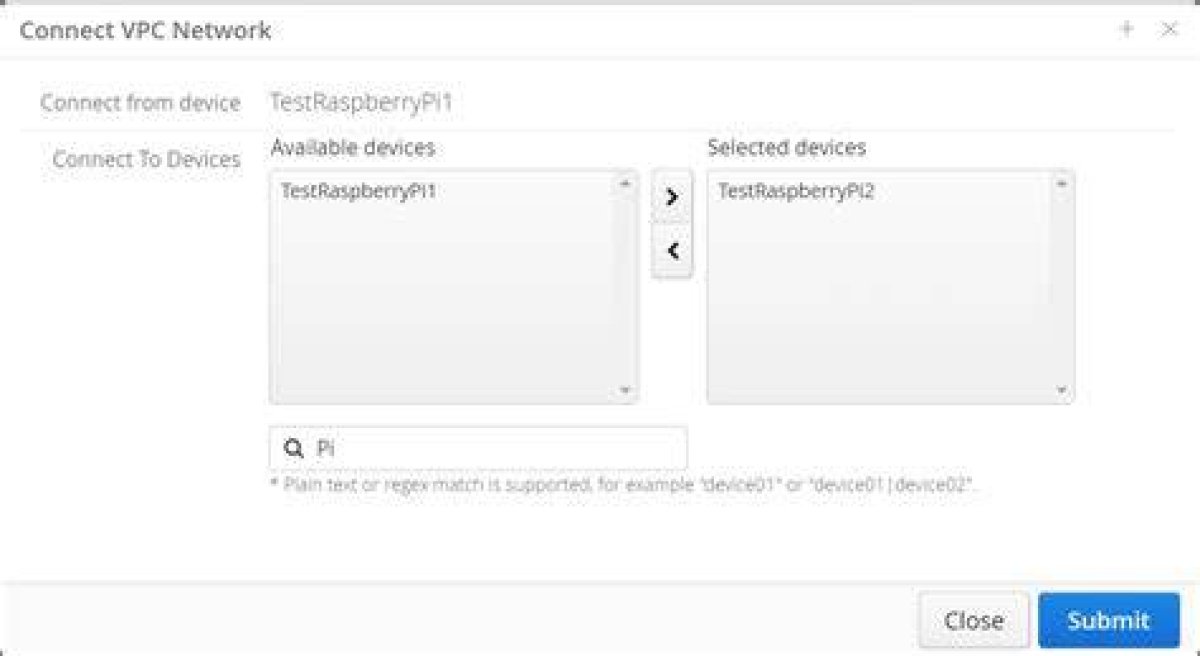
In today's interconnected world, securely connecting remote IoT devices is crucial for maintaining data integrity and network security. With the rise of smart devices, businesses and individuals must adopt robust solutions to protect their networks. This article will guide you through setting up a Virtual Private Cloud (VPC) for IoT devices, using a Raspberry Pi, and ensuring secure connections on Windows without incurring unnecessary costs.
As the Internet of Things (IoT) continues to expand, ensuring secure communication between devices is no longer optional but essential. Whether you're managing a home automation system or running an enterprise-level IoT network, implementing strong security measures is vital. This guide will provide step-by-step instructions on how to achieve this seamlessly.
From configuring a Raspberry Pi for secure IoT communication to setting up a VPC and ensuring compatibility with Windows systems, this article covers everything you need to know. By the end, you'll have a comprehensive understanding of how to protect your IoT network while keeping costs low.
Introduction to Secure IoT Connections
IoT devices are transforming the way we interact with technology, but they also introduce new security challenges. Securely connecting remote IoT VPC requires a comprehensive approach that addresses potential vulnerabilities. This section explores the importance of secure connections and the role of VPC in IoT networks.
A Virtual Private Cloud (VPC) acts as a secure, isolated environment for IoT devices. By leveraging VPC, users can control access to their devices, ensuring that only authorized connections are permitted. This is especially important for remote IoT devices, which are often more susceptible to unauthorized access.
Why Security Matters
- Protects sensitive data from cyber threats.
- Ensures uninterrupted communication between devices.
- Enhances the overall reliability of IoT networks.
Understanding VPC for IoT Devices
A Virtual Private Cloud (VPC) provides a secure and scalable environment for IoT devices. By isolating devices within a VPC, users can control network traffic and apply specific security policies. This section delves deeper into the mechanics of VPC and its benefits for IoT networks.
Key Features of VPC
- Private subnets for enhanced security.
- Network access control lists (ACLs) for fine-grained control.
- Integration with cloud services for seamless scalability.
According to a report by Gartner, the global IoT market is expected to grow significantly in the coming years. As more devices come online, the need for secure VPC solutions will only increase.

