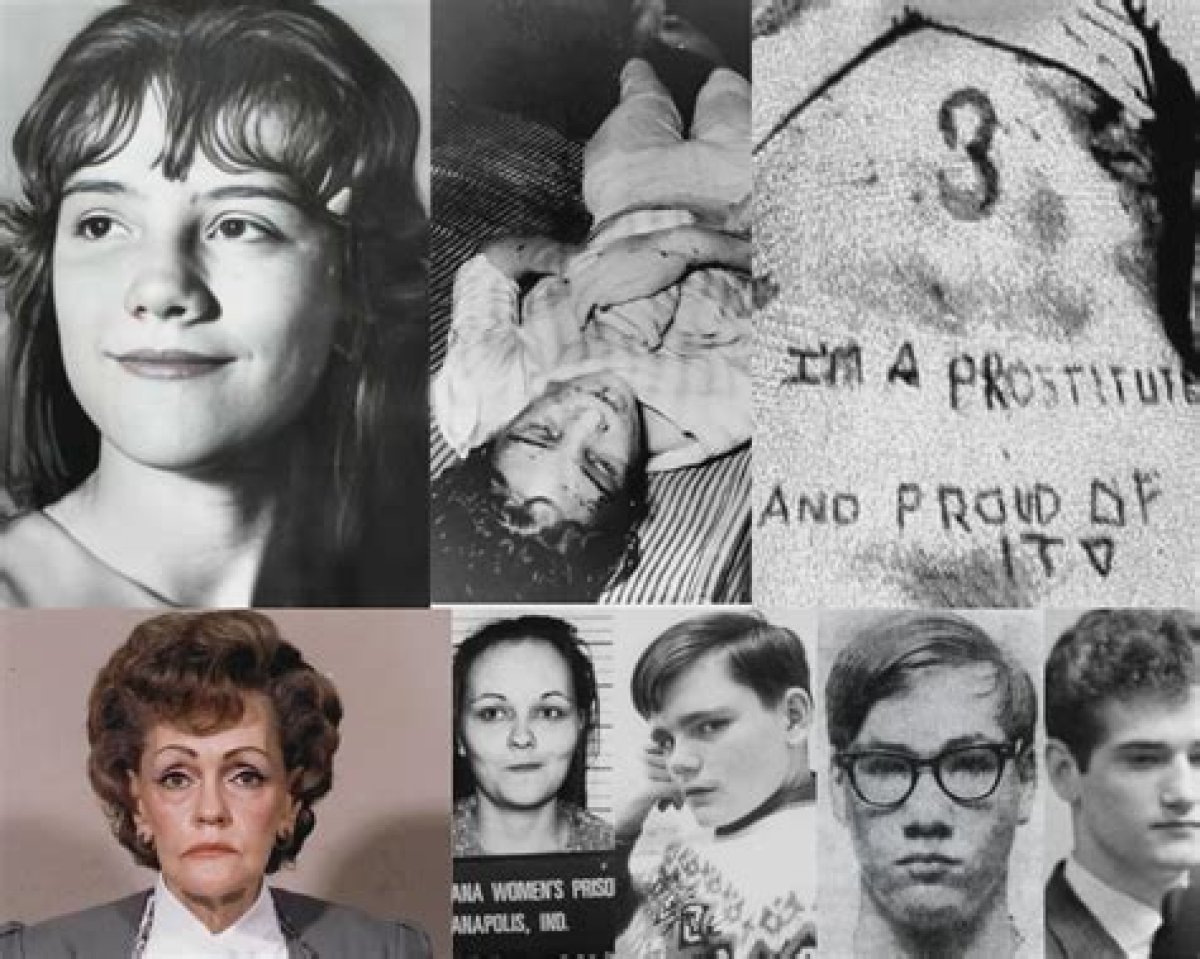
Gertrude Baniszewski is a name that evokes a chilling narrative that shocked the American public in the 1960s. Known as the "House of Horrors," her story is not just about crime; it reflects deep societal issues and the human capacity for cruelty. This article will delve into the life of Gertrude Baniszewski, the events surrounding her infamous actions, and the broader implications of her case.
The tale of Gertrude Baniszewski is one that intertwines madness, neglect, and tragic consequences. Born in 1929, her early life was marked by challenges that would later shape her into one of the most infamous figures in American criminal history. This article aims to explore her background, the heinous acts she committed, and the aftermath that affected so many lives. Understanding this case not only sheds light on the individual but also raises questions about societal responsibilities and the nature of evil.
In this comprehensive exploration, we will discuss Gertrude's early life, the events leading up to her most notorious crime, the trial that followed, and the long-lasting impact of her actions on the victims and society. By the end of this article, readers will have a thorough understanding of Gertrude Baniszewski and the factors that contributed to one of the darkest chapters in American history.
Early Life of Gertrude Baniszewski
Born on September 19, 1929, in Indianapolis, Indiana, Gertrude Baniszewski was the third of six children in her family. Her upbringing was marred by hardship, including her father’s strict nature and her mother’s mental health issues. These early experiences contributed to Gertrude's troubled psyche, which would later manifest in her abusive behavior.
After her parents’ divorce, Gertrude struggled to maintain stability in her life. By her late teens, she had married and had four children, but her relationships were strained, leading to another divorce. Her life was characterized by a series of failures and disappointments, pushing her further into a cycle of despair.
Gertrude's Personal Struggles
- Multiple marriages and divorces
- Financial instability
- Emotional and psychological issues
The Crime: A Disturbing Tale
In 1965, Gertrude Baniszewski became the guardian of Sylvia Likens, a 16-year-old girl whose parents had left her in her care. What transpired in the Baniszewski household during that time is a chilling account of abuse and neglect. Gertrude, along with her children and neighborhood kids, subjected Sylvia to horrifying treatment, which included physical, emotional, and psychological abuse.
The abuse escalated over several months, leading to Sylvia's tragic death on October 26, 1965. The brutality of the acts committed against her shocked the community, leading to outrage and demands for justice.
Details of the Abuse
- Physical beatings and torture
- Starvation and neglect
- Psychological manipulation and degradation

