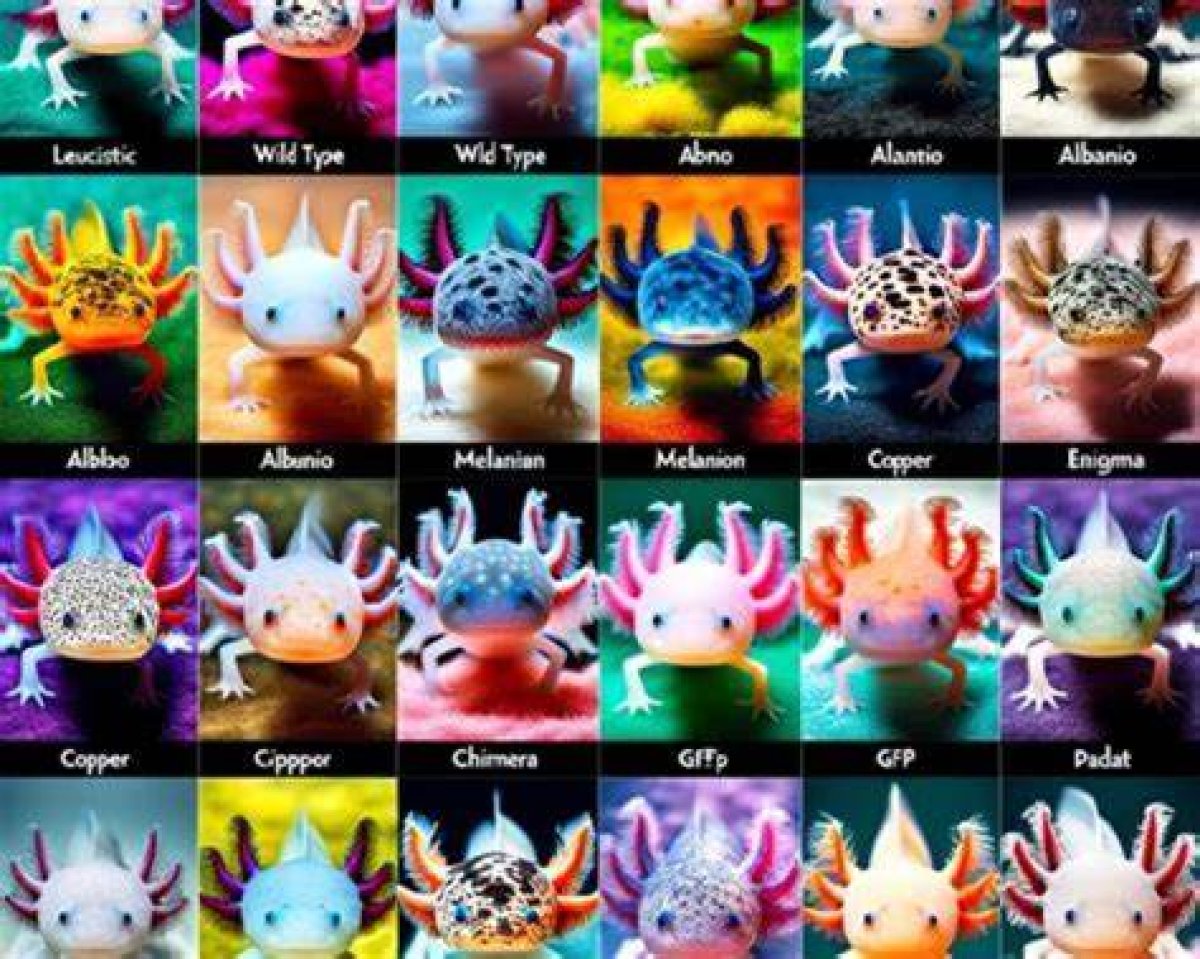
Axolotls are unique amphibians that have captured the hearts of many due to their distinctive appearance and fascinating biological traits. Known for their ability to regenerate limbs and their playful nature, axolotls have become popular pets and subjects of scientific research. With a variety of types, each boasting its own unique look and characteristics, the world of axolotls is as diverse as it is intriguing. In this article, we will delve into the different types of axolotls, their distinctive features, and what makes each type special.
As we explore the various axolotls types, we will also touch upon their habitats, care requirements, and the role they play in the ecosystem. Axolotls, or Ambystoma mexicanum, are native to the freshwater lakes of Mexico, primarily Lake Xochimilco. However, the increasing popularity of these creatures has led to their presence in homes and laboratories around the world. Understanding the different types of axolotls can help enthusiasts choose the right one for their environment and care capabilities.
Whether you are a seasoned axolotl owner or someone who is just beginning to discover the joy of these enchanting creatures, you will find something captivating in the diversity of axolotls types. Let us embark on this journey to learn more about these extraordinary amphibians and what makes each type a remarkable addition to the animal kingdom.
What Are the Main Types of Axolotls?
Axolotls can be categorized into several types based on their physical characteristics and colors. The primary types include:
- Wild Type
- Lavender
- White Albino
- Golden Albino
- Melanoid
- Leucistic
- GFP (Green Fluorescent Protein)
What Are Wild Type Axolotls?
The Wild Type axolotls are the most common and resemble their natural form found in the wild. They possess a dark coloration with a mottled pattern, which helps them blend into their natural habitat. These axolotls typically exhibit:
- Dark brown or black bodies
- Light-colored spots or patterns
- Feather-like external gills that are bright pink or red
Wild Type axolotls are often favored by researchers due to their genetic diversity and natural traits, making them ideal for scientific studies.
What Are Lavender Axolotls?
Lavender axolotls are a beautiful variation known for their striking pale lavender color. This type results from a genetic mutation that affects pigmentation. Key features of Lavender axolotls include:
- Soft lavender body color
- Pinkish gills
- Light-colored eyes
These axolotls are not only visually appealing but also maintain the regenerative abilities characteristic of all axolotls.
What Are Albino Axolotls?
Albino axolotls come in two main variations: White Albino and Golden Albino. Both types lack pigmentation, which gives them their notable appearance.
What Are White Albino Axolotls?
White Albino axolotls are characterized by their pure white bodies and pink gills. They have red or pink eyes, which are a result of the lack of melanin. Their features include:
- White, creamy body color
- Bright pink external gills
- Red or pink eyes
This type is popular among pet owners due to its striking appearance and is often sought after in the pet trade.
What Are Golden Albino Axolotls?
Golden Albino axolotls are another stunning variant, distinguished by their golden-yellow color. They also possess pink gills and have similar traits to the White Albino. Features of Golden Albino axolotls include:
- Golden-yellow body color
- Pinkish gills
- Red or pink eyes
These axolotls are equally cherished by enthusiasts for their unique coloration.

