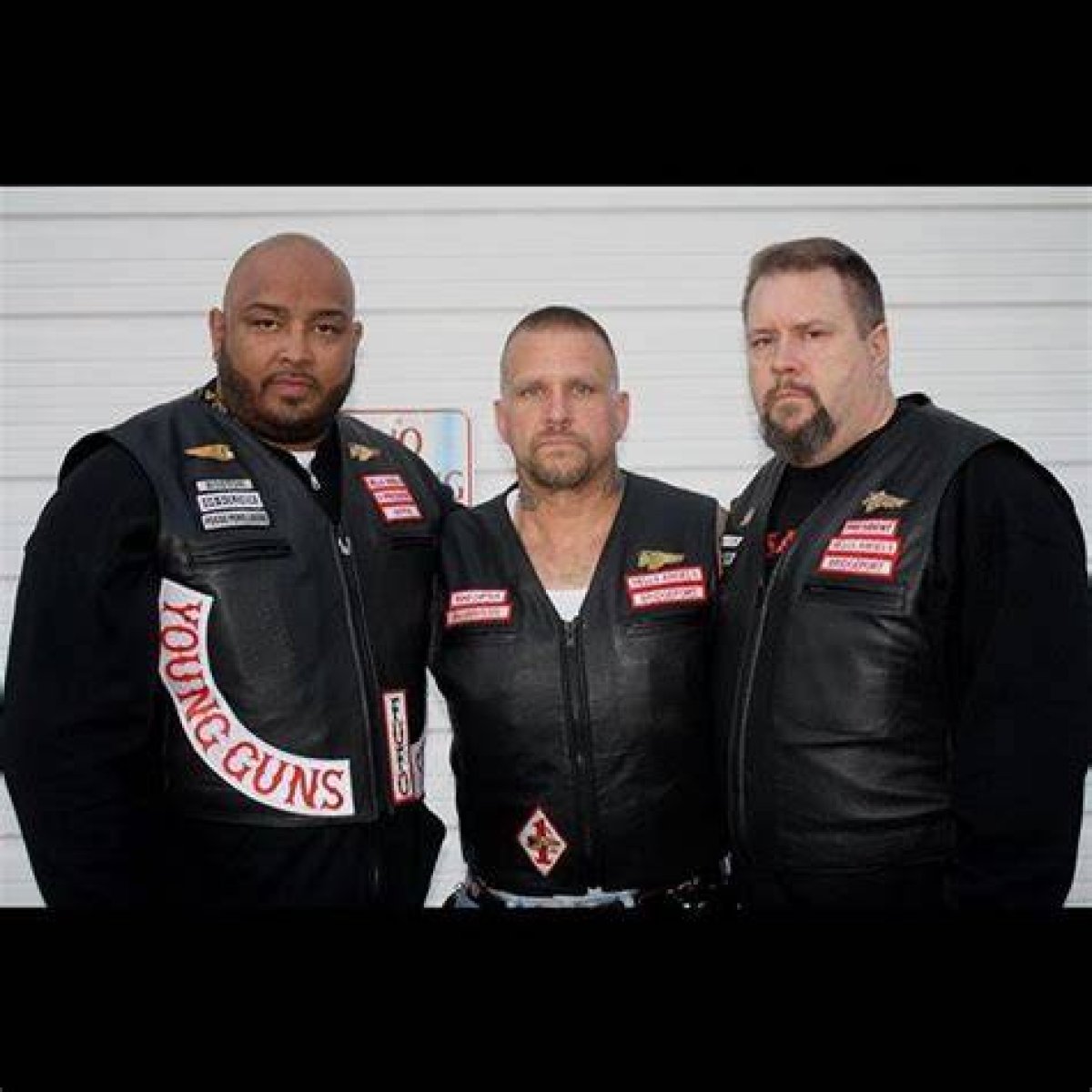
The Hells Angels Motorcycle Club has long been a subject of fascination and intrigue, often depicted in media as a tough, exclusive brotherhood. This portrayal raises the question of whether the club is as diverse as modern society or if it remains a predominantly white organization. As society evolves, so too do the dynamics within various groups, including notorious ones such as the Hells Angels. Understanding their membership diversity can help debunk myths and provide a clearer picture of this controversial club.
In the context of the Hells Angels, the question "does Hells Angels have black members?" is not just about race; it also touches on themes of acceptance, brotherhood, and the shifting societal norms regarding inclusivity. Many people are curious about whether the motorcycle club, known for its strong camaraderie and code of conduct, embraces members from various racial backgrounds. The answer may surprise you, as the landscape of motorcycle clubs has changed over the years.
As we delve deeper into this topic, it becomes essential to consider the history of the Hells Angels, their ethos, and how they have navigated issues of race and membership. The club's narrative is not just about riding motorcycles but also about the relationships and communities formed along the way. Are they truly as exclusive as they appear, or is there more to their story? In this article, we will explore various aspects of the Hells Angels and address the question of racial diversity within the club.
What is the History of the Hells Angels Motorcycle Club?
The Hells Angels Motorcycle Club was founded in 1948 in California, quickly becoming one of the most well-known motorcycle clubs in the world. The club's formation was rooted in a post-war culture that celebrated freedom, rebellion, and camaraderie. Over the decades, the Hells Angels gained notoriety for their association with outlaw behavior and their strict internal hierarchy.
How Has the Hells Angels Evolved Over Time?
As society has changed, so too has the Hells Angels. Initially, the club was predominantly white, reflecting the demographics of post-war America. However, the motorcycle culture has seen a gradual shift, with more diverse groups emerging. This evolution has prompted some Hells Angels chapters to reevaluate their membership criteria and inclusivity.
Does Hells Angels Have Black Members?
The question of whether the Hells Angels have black members is complex. While historically, the club has been less diverse, there have been instances of black members both in local chapters and in the broader motorcycle community. This shift indicates a growing acceptance of diversity within the club.
What Are the Experiences of Black Members in the Hells Angels?
Black members who have joined the Hells Angels or similar motorcycle clubs often share unique experiences. They may face challenges related to race, but many feel a sense of belonging within the brotherhood. Their stories reflect the complexities of navigating both racial identity and the motorcycle culture.
Are There Any Notable Black Members of the Hells Angels?
While the Hells Angels may not have many well-documented black members, some individuals have made their mark within the club. These members contribute to the narrative of diversity within the organization, challenging stereotypes and paving the way for future inclusivity.

