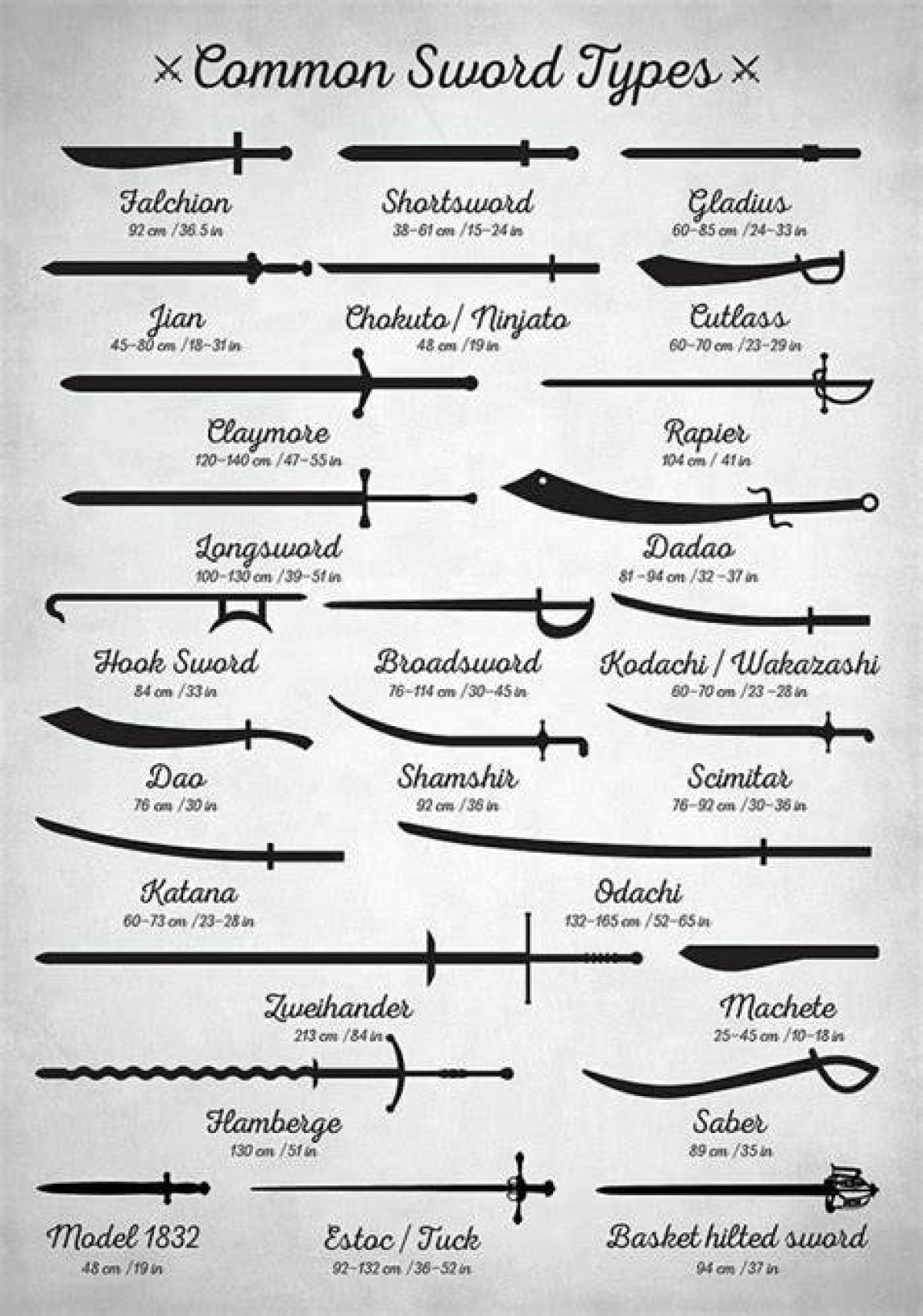
Swords have long captivated the imaginations of warriors, historians, and enthusiasts alike. Their elegance, craftsmanship, and utility have made them one of the most iconic weapons throughout history. The various sword types are not just tools of combat; they are symbols of culture, tradition, and artistry. From the intricately designed katana of Japan to the robust longsword of medieval Europe, the diversity in sword types reflects the technological advancements, martial philosophies, and social structures of the eras they come from.
Understanding the different sword types is essential for anyone interested in martial arts, historical reenactments, or weaponry. Each type of sword has its unique characteristics, purpose, and fighting style, making them suitable for different combat scenarios. Moreover, the study of these weapons offers insight into the societies that wielded them, revealing how swords were used not just for battle, but also as tools for diplomacy and status.
In this article, we will delve into the fascinating world of sword types, examining their origins, features, and uses. Whether you're a sword collector, a martial artist, or a history buff, this comprehensive guide will deepen your appreciation for these remarkable weapons.
What Are the Different Sword Types?
When categorizing sword types, several factors come into play, including blade shape, length, and historical context. Here are some of the most notable sword types:
- Longsword: A versatile sword popular in Europe during the late medieval period, characterized by its double-edged blade and cruciform hilt.
- Katana: A traditional Japanese sword known for its curved, single-edged blade and distinctive craftsmanship.
- Rapier: A slender, sharply pointed sword designed for thrusting, favored in the Renaissance for its elegance and speed.
- Sabre: A curved, single-edged sword typically associated with cavalry units, known for its slashing capabilities.
- Scimitar: A type of sword with a curved blade, often linked to Middle Eastern and South Asian cultures.
- Claymore: A large two-handed sword from Scotland, noted for its distinctive cross hilt and wide blade.
- Gladius: The primary sword of Roman foot soldiers, characterized by its short, straight blade.
- Dao: A single-edged sword used in Chinese martial arts, recognized for its versatility and combat effectiveness.
What Are the Historical Roots of Different Sword Types?
The origins of sword types can be traced back to ancient civilizations, each developing their unique versions based on available materials and combat needs. For example, the gladius originated in the Roman Empire and was essential for close combat, while the katana emerged during Japan's feudal period, symbolizing the samurai's honor.
How Do Sword Types Differ in Design and Function?
Design and functionality are key aspects that differentiate sword types. Swords like the longsword are designed for both cutting and thrusting, making them effective in various combat scenarios. In contrast, the rapier is specifically built for thrusting, favoring speed and precision over cutting power.
What Materials Are Commonly Used in Sword Types?
Sword types are crafted from various materials, with the most common being:
- Carbon Steel: Known for its strength and ability to hold a sharp edge.
- Stainless Steel: Offers corrosion resistance but may not be as durable as carbon steel.
- Damascus Steel: Combines different types of steel for unique patterns and enhanced strength.

