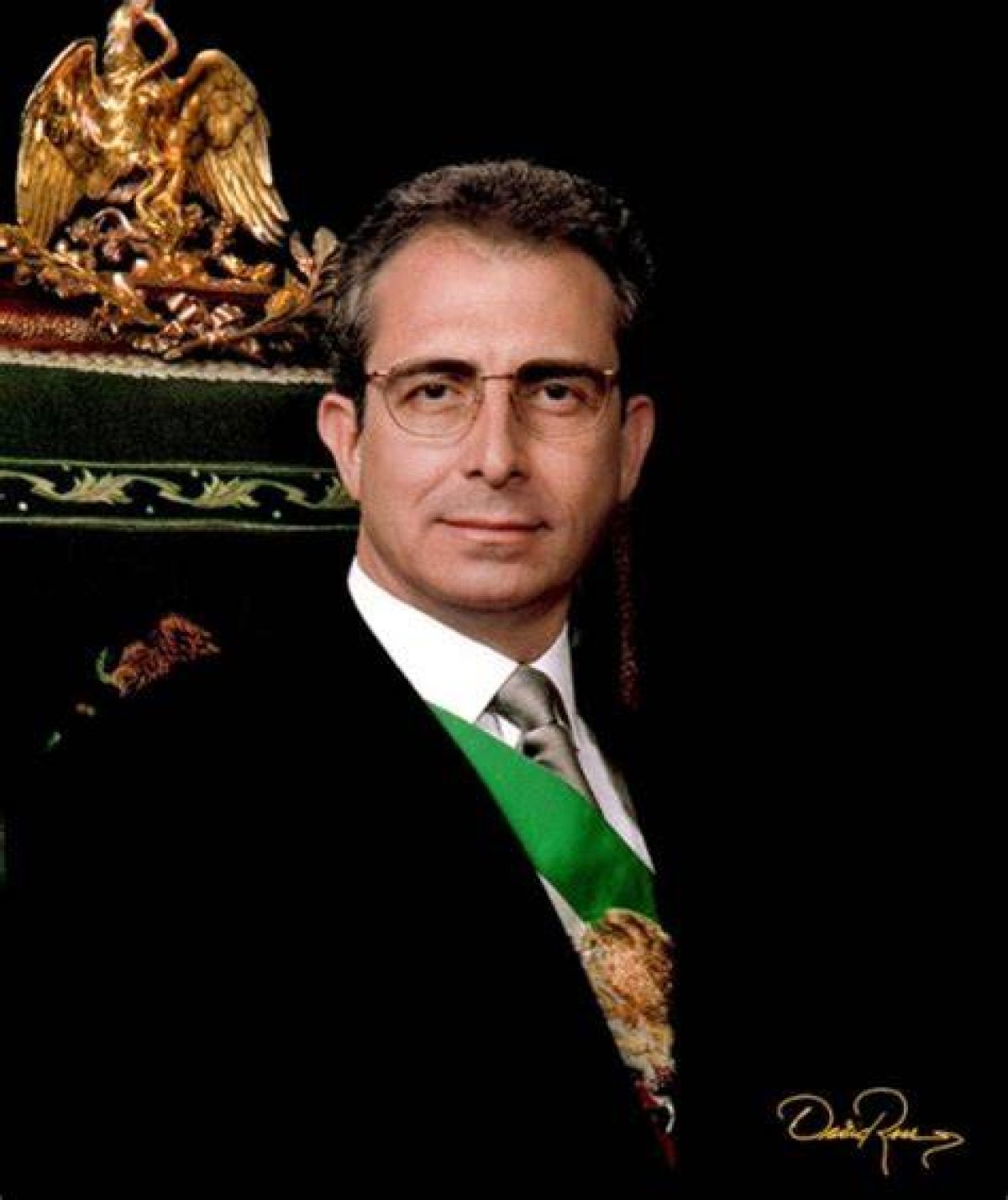
Ernesto Zedillo, the 53rd President of Mexico, served from 1994 to 2000 and is widely recognized for his pivotal role in steering the country through a challenging economic crisis and implementing significant reforms. His presidency marked a transformative period in Mexican politics and economics, as he sought to modernize the nation and enhance its global standing. Zedillo's leadership style, characterized by pragmatism and a commitment to democratic governance, has left an indelible mark on Mexico's political landscape.
Born on December 27, 1951, in Mexico City, Zedillo's journey to the presidency was shaped by his academic background and early career in public service. He studied economics at the National Autonomous University of Mexico and later earned a master's degree from Yale University. His expertise in economic policy became instrumental during his presidency as he navigated the tumultuous waters of the 1994 peso crisis, which threatened to destabilize the nation.
Ernesto Zedillo's legacy extends beyond his presidential term; he has remained an influential figure in international affairs and academia. After leaving office, he took on various roles, including serving as an advisor to global organizations and contributing to discussions on economic development and globalization. His insights continue to resonate, making him a respected voice in contemporary debates on economic and social issues.
What Is Ernesto Zedillo's Biography?
Ernesto Zedillo's life story is a testament to his dedication to public service and economic development. His presidency was marked by both challenges and achievements, shaping the trajectory of modern Mexico.
| Personal Details | Bio Data |
|---|---|
| Full Name | Ernesto Zedillo Ponce de León |
| Date of Birth | December 27, 1951 |
| Birthplace | Mexico City, Mexico |
| Political Party | Institutional Revolutionary Party (PRI) |
| Years in Office | 1994 - 2000 |
| Predecessor | Carlos Salinas de Gortari |
| Successor | Vicente Fox |
What Were the Key Challenges Faced by Ernesto Zedillo During His Presidency?
The presidency of Ernesto Zedillo was not without its trials. Upon taking office, he encountered significant economic turmoil, primarily due to the unexpected devaluation of the peso in late 1994. This event led to a deep financial crisis that prompted Zedillo to adopt a series of emergency measures to stabilize the economy. His administration had to grapple with high inflation rates, rising unemployment, and social unrest. To address these issues, Zedillo implemented a combination of fiscal reforms, social programs, and debt restructuring, which eventually paved the way for recovery.
How Did Ernesto Zedillo Approach Economic Reforms?
Ernesto Zedillo's economic reforms were critical in revitalizing Mexico's economy. He focused on several key areas:
- Fiscal Discipline: Zedillo established strict budgetary controls to reduce the fiscal deficit and restore investor confidence.
- Trade Liberalization: His administration further opened Mexico's markets by expanding trade agreements, including the North American Free Trade Agreement (NAFTA).
- Banking Sector Reform: Zedillo restructured the banking sector to enhance stability and transparency, fostering a more resilient financial system.
- Social Programs: He introduced programs aimed at alleviating poverty and improving education, recognizing the need for inclusive growth.

