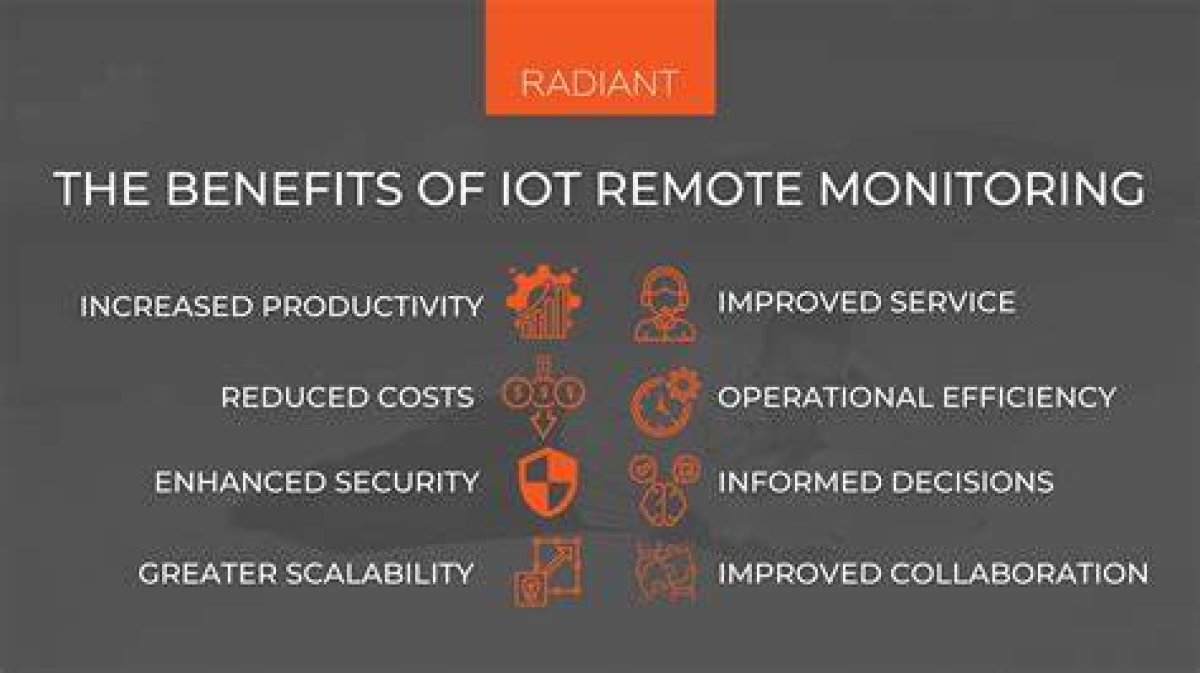
In today's digital era, the demand for remote IoT monitoring solutions is skyrocketing, and Raspberry Pi has emerged as a top contender in this field. With its affordability, flexibility, and ease of use, Raspberry Pi offers unparalleled opportunities for building powerful remote IoT monitoring systems. Whether you're a hobbyist or a professional, understanding how to leverage Raspberry Pi for remote IoT monitoring can significantly enhance your projects and operations.
Remote IoT monitoring has become an essential tool for industries ranging from agriculture to healthcare and manufacturing. It allows users to collect real-time data from remote locations, analyze it, and make informed decisions. The integration of Raspberry Pi into these systems has revolutionized the way we approach IoT solutions, offering a cost-effective and scalable option for businesses and individuals alike.
This article will provide an in-depth exploration of the best practices, tools, and techniques for remote IoT monitoring using Raspberry Pi. By the end of this guide, you'll have a comprehensive understanding of how to design, implement, and optimize your own Raspberry Pi-based remote IoT monitoring system.
Introduction to Remote IoT Monitoring with Raspberry Pi
What is Remote IoT Monitoring?
Remote IoT monitoring refers to the process of collecting, analyzing, and interpreting data from Internet of Things (IoT) devices located in distant locations. This technology enables users to monitor and control systems in real-time without being physically present. It is widely used in industries such as agriculture, environmental monitoring, smart homes, and industrial automation.
Raspberry Pi plays a crucial role in remote IoT monitoring due to its versatile hardware and open-source software ecosystem. It acts as a central hub that connects various sensors, actuators, and devices, facilitating seamless communication and data processing.
Overview of Raspberry Pi
Raspberry Pi is a series of small single-board computers developed by the Raspberry Pi Foundation. It was initially designed for educational purposes but has since gained immense popularity among hobbyists, developers, and professionals for its affordability and versatility.
Key Features of Raspberry Pi
- Compact and lightweight design
- Multiple GPIO pins for connecting sensors and actuators
- Support for various operating systems, including Linux-based distributions
- Built-in Wi-Fi and Bluetooth capabilities
- Compatibility with a wide range of accessories and modules

